
Consultants work with sensitive information every day. Client files, strategic analyses, policy documents that are not yet public. The temptation to use AI is great, it saves hours every week. But ChatGPT, Copilot and similar tools are not an option for many consultancies.
The reason is simple: confidential client data must not end up on American servers.
This article shows how consultancies such as KWINK Groep and Haute Equipe solved this issue, and what that means in concrete terms for their daily work.
The problem: AI and the duty of confidentiality do not go together
Many consultants use AI anyway, even though it is not really allowed. They type reports, contracts and client information into ChatGPT, hoping that it "will be fine". But ChatGPT processes that data on the servers of OpenAI, an American company. That data leaves the organisation. And with it, control over who has access to it.
For consultancies that work in the public sector, healthcare or legal services, this is a real compliance risk. For firms with competitively sensitive client information, it is simply a business risk.
The question is not whether AI is useful for consultancy work. The question is how to do it safely.
How KWINK Groep approached it
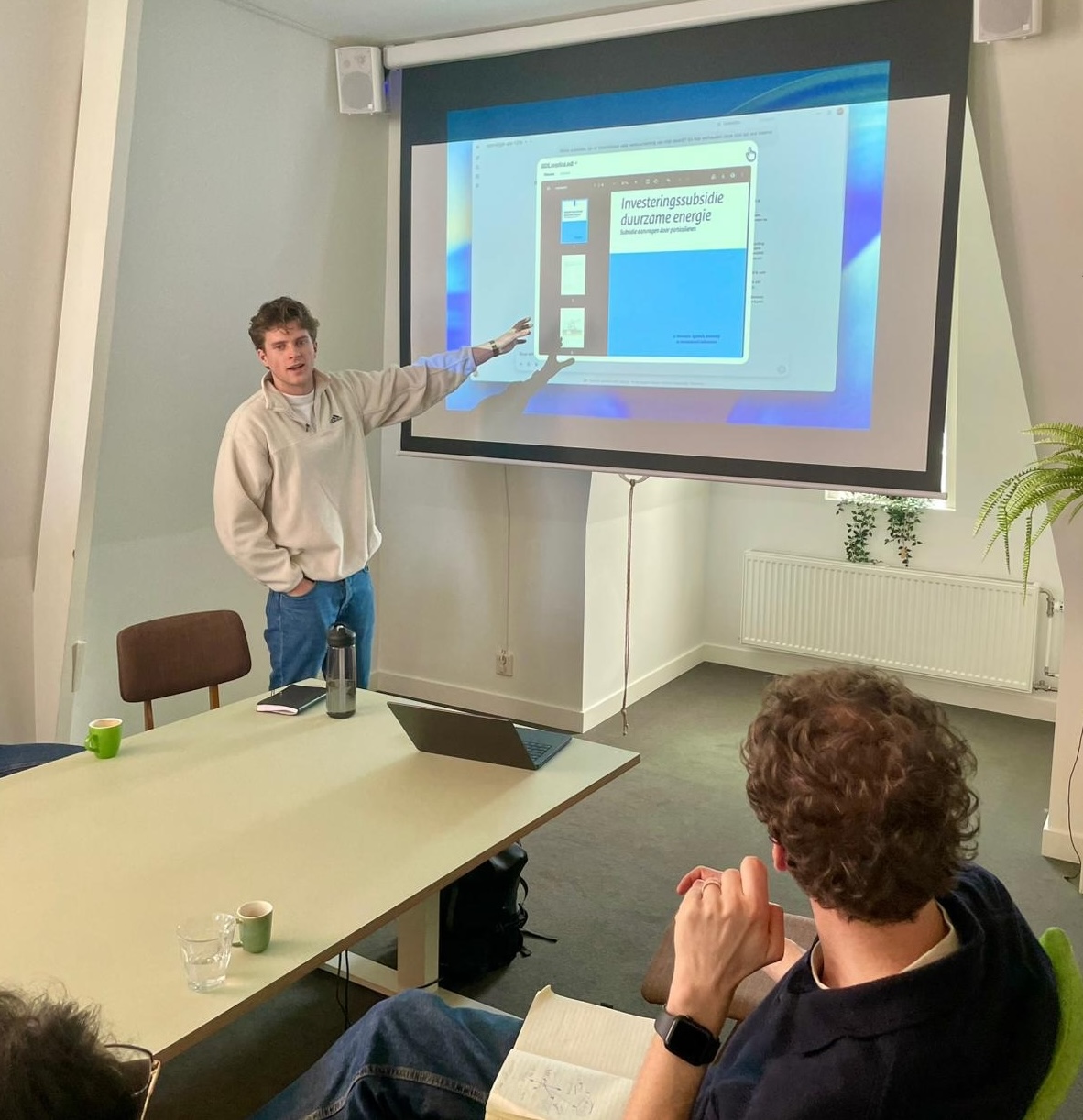
KWINK Groep is a consultancy and research firm in the public sector. 25 consultants work every day on complex assignments in domains such as environmental policy, healthcare, mobility and culture.
The precondition was clear: no data to American servers. No opaque tooling. Full control over their own information.
After an intensive process with soev.ai, three insights emerged:
- Open-source language models in Dutch cloud can support daily work better and better, especially for knowledge retrieval and research.
- Responsible AI use requires targeted training, not just access to a tool.
- Building iteratively with end users makes the difference. A direct feedback loop with consultants ensures the tool fits the way they work.
KWINK now uses soev.ai every day for knowledge retrieval from reports, searching through policy documents and AI agents for analysis and writing.
How Haute Equipe uses soev.ai
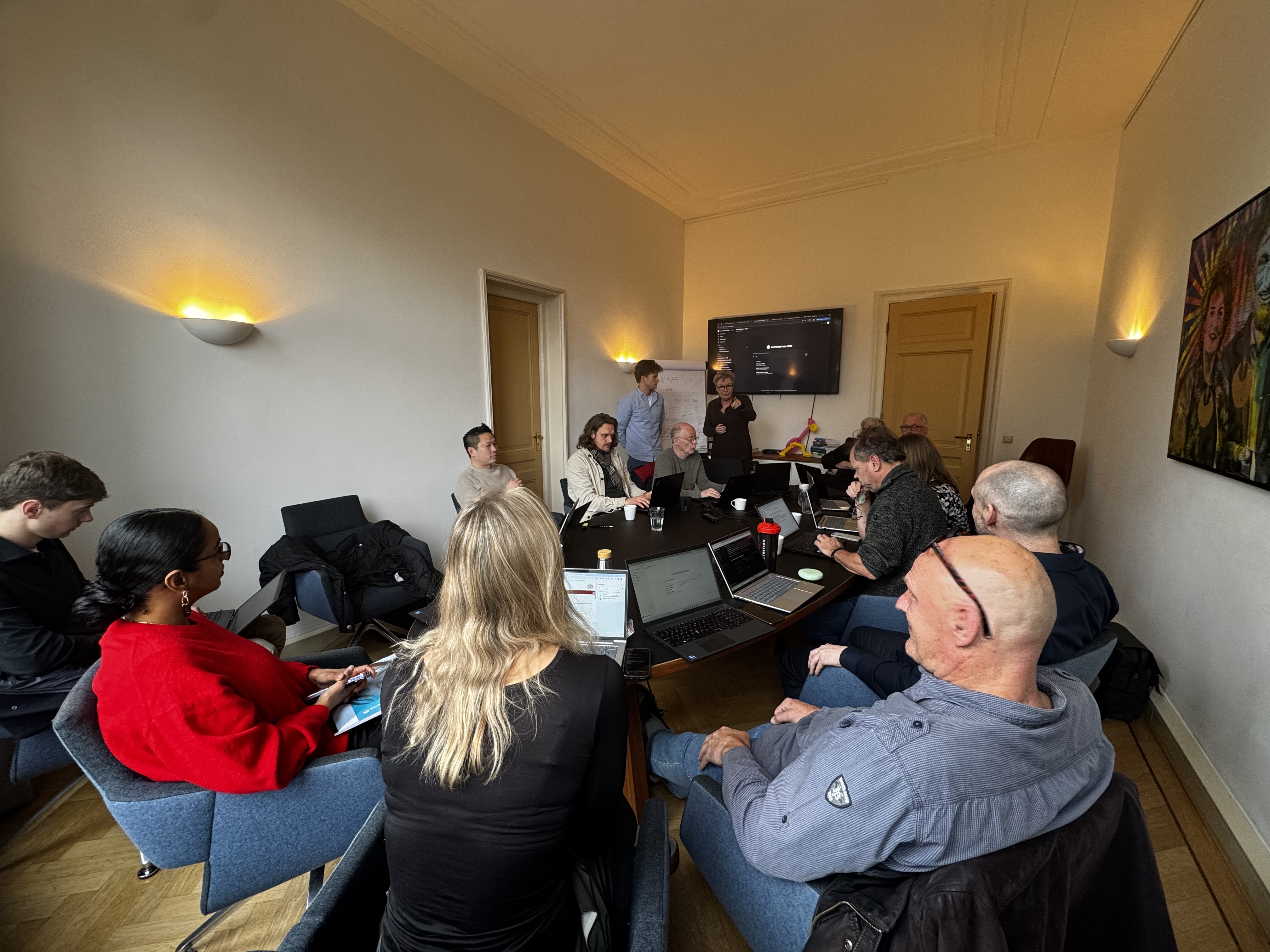
Haute Equipe is a consultancy in the public sector with more than 100 employees and 6 offices. With work in the social domain, legal affairs, subsidies and business operations, AI use there has to be truly safe and verifiable.
Soev.ai supports Haute Equipe's employees in all their AI use, from knowledge retrieval to AI agents, from research to execution. The first training session for the subsidy team focused on AI adoption and responsible use.
Why soev.ai? Three reasons:
- 100% sovereign: soev.ai runs entirely in Dutch cloud.
- Designed for organisations with high requirements for security and privacy.
- Open-source technology prevents vendor lock-in and safeguards transparency.
What makes soev.ai suitable for consultancy work?
Knowledge retrieval is the most-used feature. Consultants ask questions about their report archive (internal research, policy documents, client files) and get an immediate answer with automatic source references. No manual searching through hundreds of files.
Firms can configure a separate AI agent per client or project, with access only to the documents of that project. Confidentiality is therefore arranged by design, not as an afterthought.
And because soev.ai runs on Dutch infrastructure, it does not fall under American legislation. Data never leaves the Netherlands.
Frequently asked questions
Can I connect soev.ai to SharePoint?
Yes. Soev.ai integrates with SharePoint, OneDrive and Teams via MCP servers. The documents are retrieved and processed within the soev.ai environment of your choice: Dutch cloud, your own cloud or on-premise.
Is a separate environment per client possible?
Yes. With role-based access control and separate agents per project, you keep client data fully separated.
Getting started
Want to see how soev.ai works for your firm? Book a free demo via soev.ai.
- More about soev.ai for consultancies: soev.ai/organisations
- How knowledge retrieval works: soev.ai/platform